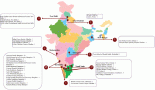
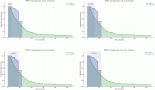
Human papillomavirus (HPV) causes more than one-fourth of infection related cancers globally. The present study summarises the epidemiology of HPV related cancers in India, with a special focus on cervical and oropharyngeal cancer, utilising the National Cancer Registry Programme (NCRP) data. The data on HPV related cancer incidence and treatment were extracted from 28 population-based and 96 hospital-based cancer registries under the NCRP network. Incidence was presented as rates, clinical extent of disease and treatment provided as percentages. Joinpoint regression analysis was performed to calculate annual percent change in age adjusted incidence rates (AARs) over time. Incidence of HPV related cancers for 2025 was projected. Among all cancers, 7.5% were HPV related cancers. Cervical cancer (87.6%) and oropharyngeal cancer (63.2%) were the most common HPV related cancers in India among females and males, respectively. Cervical cancer was highest in Papumpare district (AAR: 27.7 per 100,000) and oropharyngeal cancer among males in East Khasi Hills district Population Based Cancer Registry (AAR: 11.4 per 100,000). In most PBCRS, cervical cancer incidence rate decreased significantly over the period of time. The majority of these cancers presented at locoregional spread stage of the disease and were treated with chemoradiation. The projected incidence of HPV related cancers is expected to increase to 121,302 by 2025. Implementation of effective prevention and control strategies like HPV vaccination and scaling up of screening could reduce the burden of HPV related cancers. Evidence from NCRP serves as the baseline to monitor the impact of HPV related policies and programmes in improving the outcome and prognosis.

Supporting oncology professionals through education
The content on this site is intended for healthcare professionals only